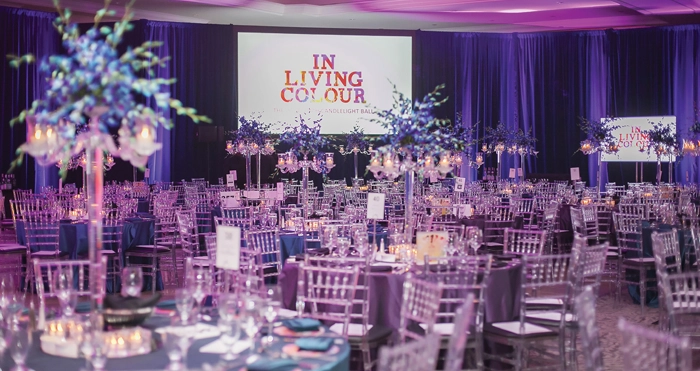

When most people think about planning a fundraising gala, they picture the final weeks before the event. They imagine selecting centerpieces, finalizing seating charts, choosing menu options, and preparing auction displays.
Those details matter, but they are not what determines whether an event raises $50,000 or $500,000.
The truth is that successful fundraising events are built months before guests ever walk through the doors.
At Staar Entertainment, we often tell our clients that the event itself is simply the celebration of all the planning that happened beforehand. The organizations that consistently exceed their fundraising goals are rarely the ones scrambling three months before the event. They're the ones that spent the first few months creating a strong foundation, building a capable team, and making strategic decisions that support their mission.
If your gala is still 12 to 9 months away, you have a tremendous opportunity. This is the phase where smart planning creates momentum. This is where fundraising strategies are developed, sponsorship conversations begin, production needs are identified, and the framework for success is established.
Let's walk through what your organization should be focusing on during this critical planning period.
Before diving into the details, there are a few foundational items that should already be completed or nearing completion.
One of the biggest mistakes we see organizations make is waiting until the last minute to secure their fundraising auctioneer
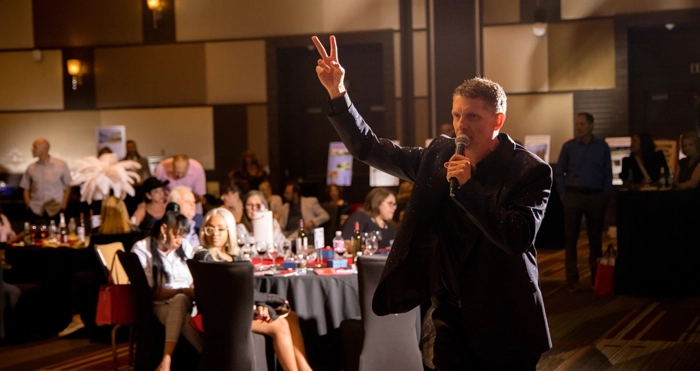
Staar Entertainment auctioneers do much more than stand on stage and ask for bids. A Staar Entertainment fundraising auctioneer serves as a strategic partner throughout the planning process. They help shape fundraising opportunities, advise on auction procurement, assist with program development, and provide guidance on donor engagement.
The earlier your Staar Entertainment auctioneer is involved, the more value they can bring to the table.
After your auctioneer has been secured, your venue should be next as it impacts nearly every aspect of the event.
Capacity, parking, room layout, audiovisual capabilities, accessibility, catering options, and guest flow all stem from this decision.
By the time you are 12 months out, your venue should ideally be selected and your event date secured.
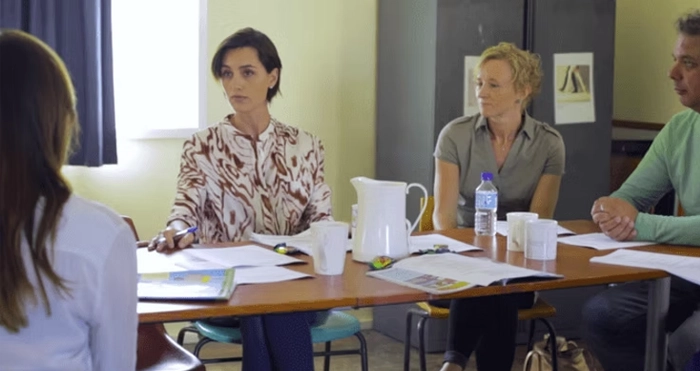
Your committee is the engine that drives the event.
A successful committee is not necessarily the largest committee. It is the most engaged committee.
Most organizations find success with a group of individuals who are willing to contribute their time, connections, expertise, and enthusiasm throughout the planning process.
Now that those three major pieces are in place, it's time to focus on the work that will shape the event itself.
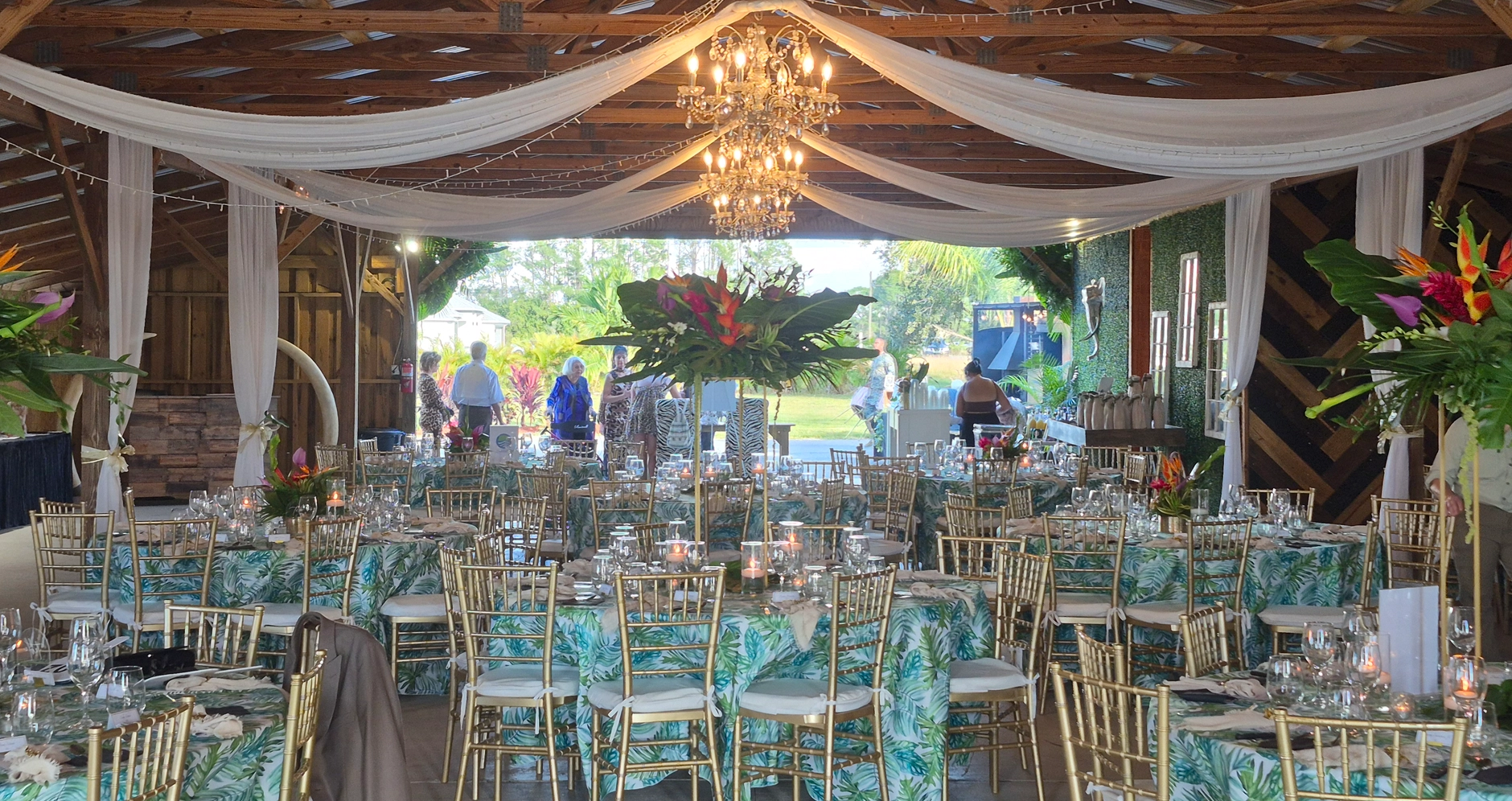
One of the first strategic conversations your committee should have is deciding exactly what type of event you're creating.
This sounds simple, but many organizations skip this conversation and end up planning an event that lacks focus.
Ask yourselves:
Your answers will influence nearly every planning decision moving forward.
For example, an event focused primarily on fundraising may allocate more time toward a live auction and paddle raise, while an awareness-focused event may emphasize storytelling and mission impact.
The sooner your committee aligns around the vision, the easier future decisions become.
This is where many organizations begin thinking too narrowly.
When someone says "gala," most people immediately think about a silent auction and perhaps a live auction.
But today's most successful fundraising events create multiple opportunities for guests to engage with the mission and support the organization.
Now is the time to determine which fundraising elements will be included.
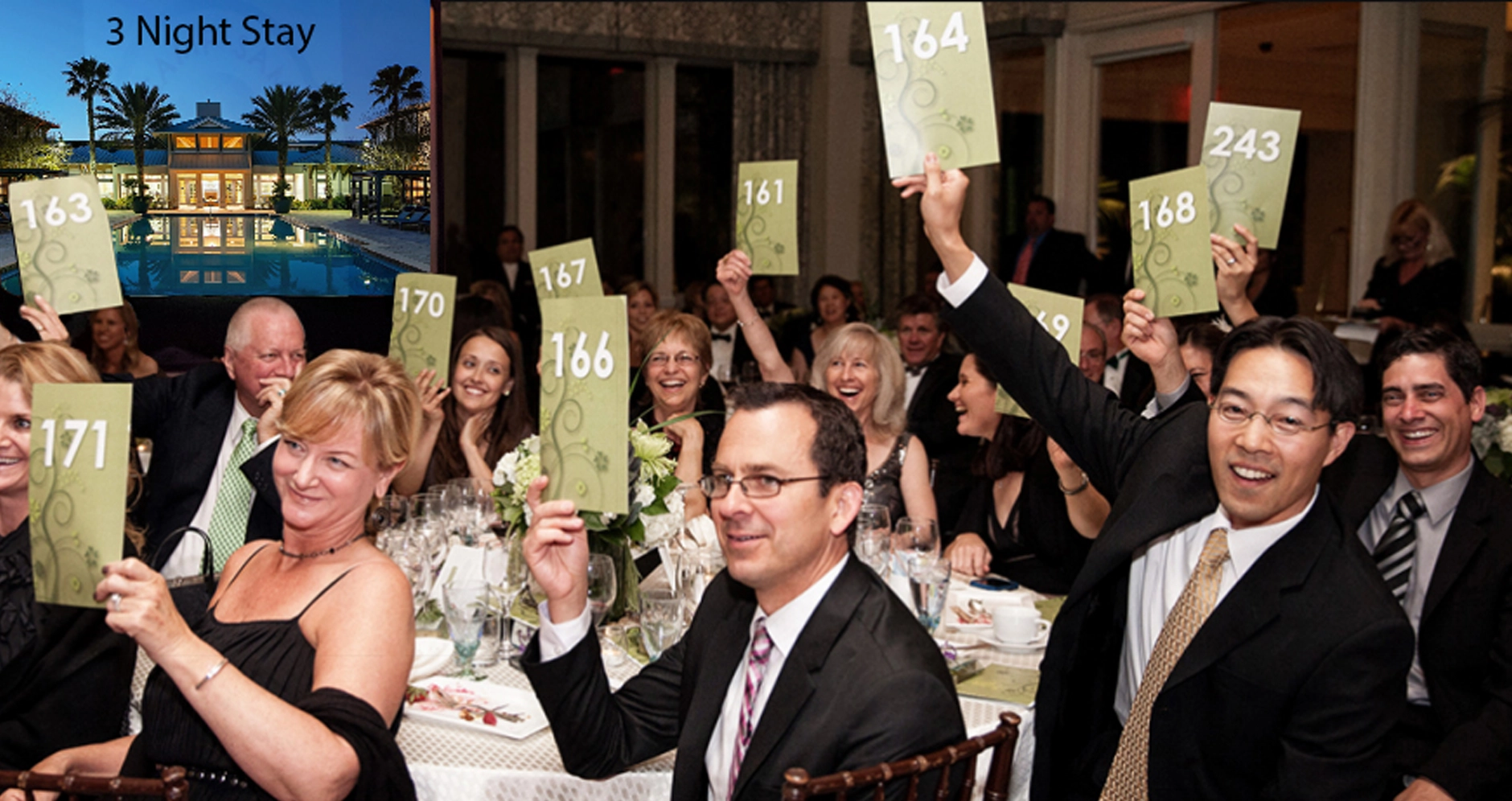
Live auctions continue to be one of the most effective fundraising tools available when executed properly.
The key is focusing on quality, high-profit items rather than quantity.
Five high-profit items will outperform fifteen average-commissioned items almost every time.
At this stage, your committee should begin brainstorming experiences and items that can be donated by individuals who support your mission, or items that don’t cost anything.
For instance, high-profit items include, dinner with the CEO or Principal, up front parking spots, fly your favorite sports teams' flags, one-of-a-kind items, and more.
Commissioned travel opportunities and exclusive access packages can create excitement and competition. However, they may not net your organization as much as you would hope.
Silent auctions remain a valuable component of many fundraising events.
Consider how your silent auction will be managed.
Answering these types of questions early helps streamline future planning.
There is one fundraising element we encourage every nonprofit to consider, and it's a paddle raise.
Unlike auctions, which are transactional, paddle raises allow everyone who came to the event to be able to support your organization’s mission. Paddle raises allow donors to invest directly in your mission. Your guests may not want to purchase an auction item. Ultimately, the reason why guests wanted to attend was to support your mission and the paddle raise allows this to occur.
This is often where some of the most net profitable giving occurs. Giving in this section of the program, net’s your organization 100$ of the proceeds. Remember, the individuals who decided to attend your event just need an opportunity to support your cause, and this is the time to let them shine and celebrate their generosity.
Begin discussing what specific project, program, or need will be highlighted during this portion of the evening. People give more when they know what their funds are going to be used for.
This is also the time to evaluate:
Multiple giving opportunities create multiple pathways for donor engagement.
One of the most common misconceptions in gala planning is that sponsorship solicitation happens a few months before the event.
The strongest sponsorship programs begin much earlier.
At 12 months out, your goal isn't necessarily to secure sponsorship commitments immediately.
Your goal at this time is to:
Many businesses establish marketing and charitable giving budgets well in advance. Waiting until the final months of planning often means competing for dollars that have already been allocated elsewhere.
Early conversations create opportunities.
One of the fastest ways to elevate a fundraising event is through thoughtful production planning.
Unfortunately, this is also one of the areas that organizations tend to underestimate.
Production is guest experience, storytelling, and how your audience connects with your mission. Production is not simply microphones and speakers.
Think about your audience.
Whether you use projection screens or LED video walls, visibility matters. Guests who can see what's happening remain engaged. Guests who feel disconnected tend to disengage.
Clear audio is one of the most important aspects of a fundraising event. When guests can hear your speakers, auctioneer, or mission stories, your audience is inspired to give.
Things to be considered with your event production team:
Lighting is often overlooked, yet it plays a significant role in shaping the atmosphere of your event. Proper lighting directs attention, creates energy, and enhances emotional moments.
Consider with your event production team:
Great lighting helps create a memorable experience without guests even realizing why.
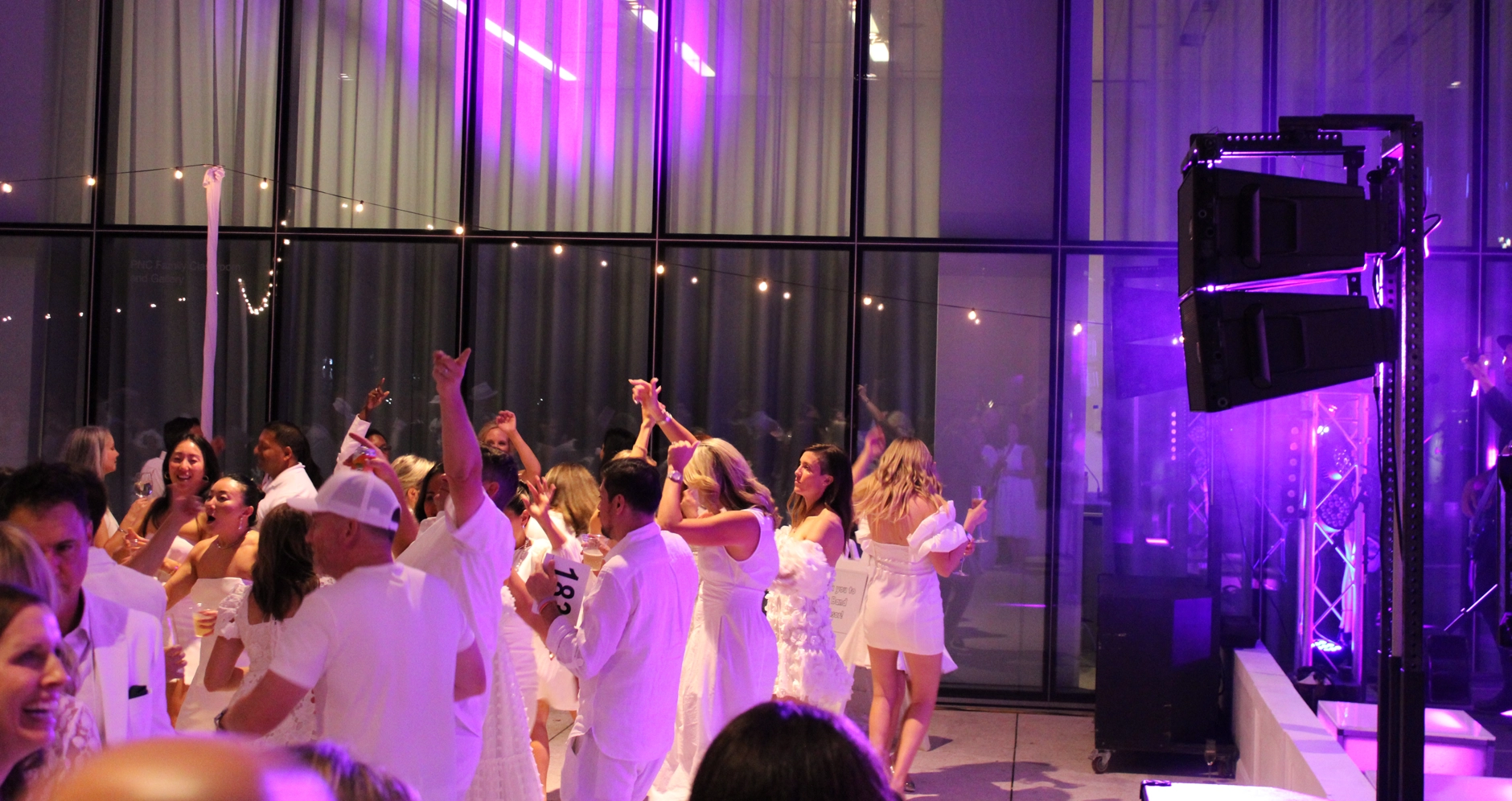
If dancing will be part of your event, begin planning now.
Questions to consider include:
These decisions affect production, seating, and guest flow. Planning early helps avoid costly adjustments later.
Technology has become increasingly important in modern fundraising events.
This is particularly true for virtual and hybrid experiences.
If your event includes any type of livestreaming, remote participation, or digital bidding platform, begin discussing technology requirements now.
One of the main reasons why a particular committee will do so well is that responsibility has been delegated to all members.
When everyone owns everything, nobody truly owns anything.
Now is the time to assign responsibilities.
Consider creating leads for:
Clear ownership creates accountability. Accountability creates successful fundraising events.
A successful gala has many aspects and moving parts that require a coordinated effort to make sure nothing falls through the cracks. Timing is crucial and a calendar helps keep the committee engaged and organized.
Create a planning calendar that includes:
A well-written road map will make things more efficient and clear for the committee to complete.
People do not donate because they attended a beautiful event. They donate because they connect emotionally to a mission.
One of the most important conversations your committee can begin having now is identifying the stories that will be shared on event night.
The strongest fundraising moments are built around compelling stories, and gathering those stories takes time.
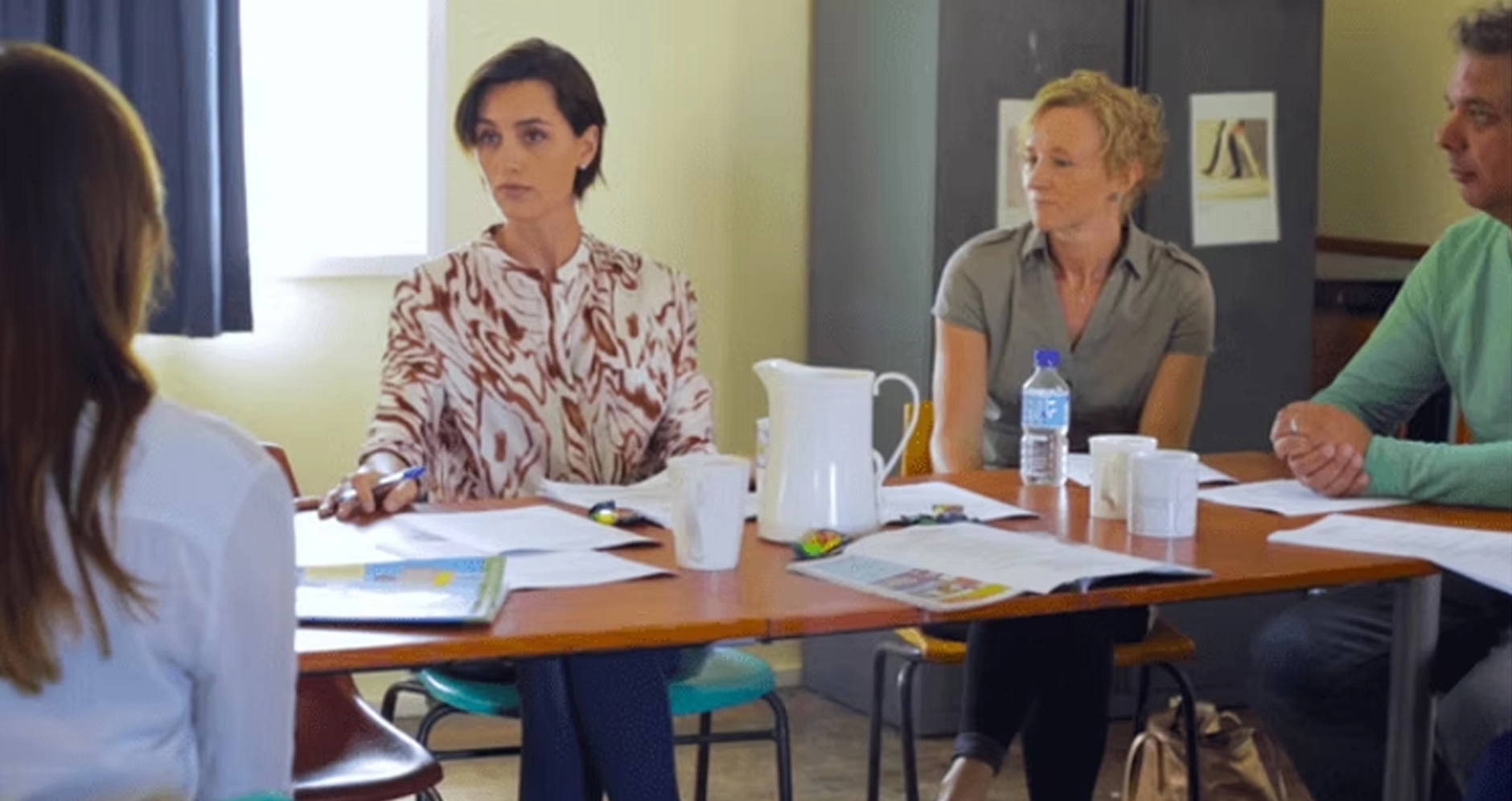
The organizations that host the most successful events are rarely the organizations that meet the most.
They're the organizations that meet consistently.
Monthly planning meetings during this stage help maintain momentum without overwhelming volunteers and staff.
Use these meetings to review progress, address challenges, celebrate wins, and keep everyone moving in the same direction.
The months before your gala may not feel exciting. There are no auction paddles in the air. No guests filling the ballroom. No final fundraising totals to celebrate.
But make no mistake. This is where successful fundraising events are built.
Most importantly, this is where the foundation for everything that follows is laid.
At Staar Entertainment, we've worked with organizations of all sizes, and the pattern is always the same. The events that perform best are rarely the ones that start planning the latest. They're the ones that invest the time upfront to create a clear vision, build a strong team, and make intentional decisions early.
Several months may feel like a long way from event day, but the work you do now will determine the results you celebrate when the evening is over. And that's why these first few months matter so much.
.png)