A smooth, engaging, and impactful fundraising event does not happen by accident. Behind every successful gala, benefit dinner, or community fundraiser is a team of people working together with clear roles and responsibilities. When these roles are defined and filled by experienced professionals, your event runs better, raises more money, and leaves guests feeling inspired.
Below is a description of the key roles every successful fundraising event needs, what they do, and why each one is essential to your success.
While each of these roles serves a distinct purpose, the true success of a fundraising event comes from how seamlessly they work together. A smooth evening is rarely the result of one standout person alone. It is the product of thoughtful coordination, clear communication, and a team that understands how every moment connects to the larger fundraising goal.
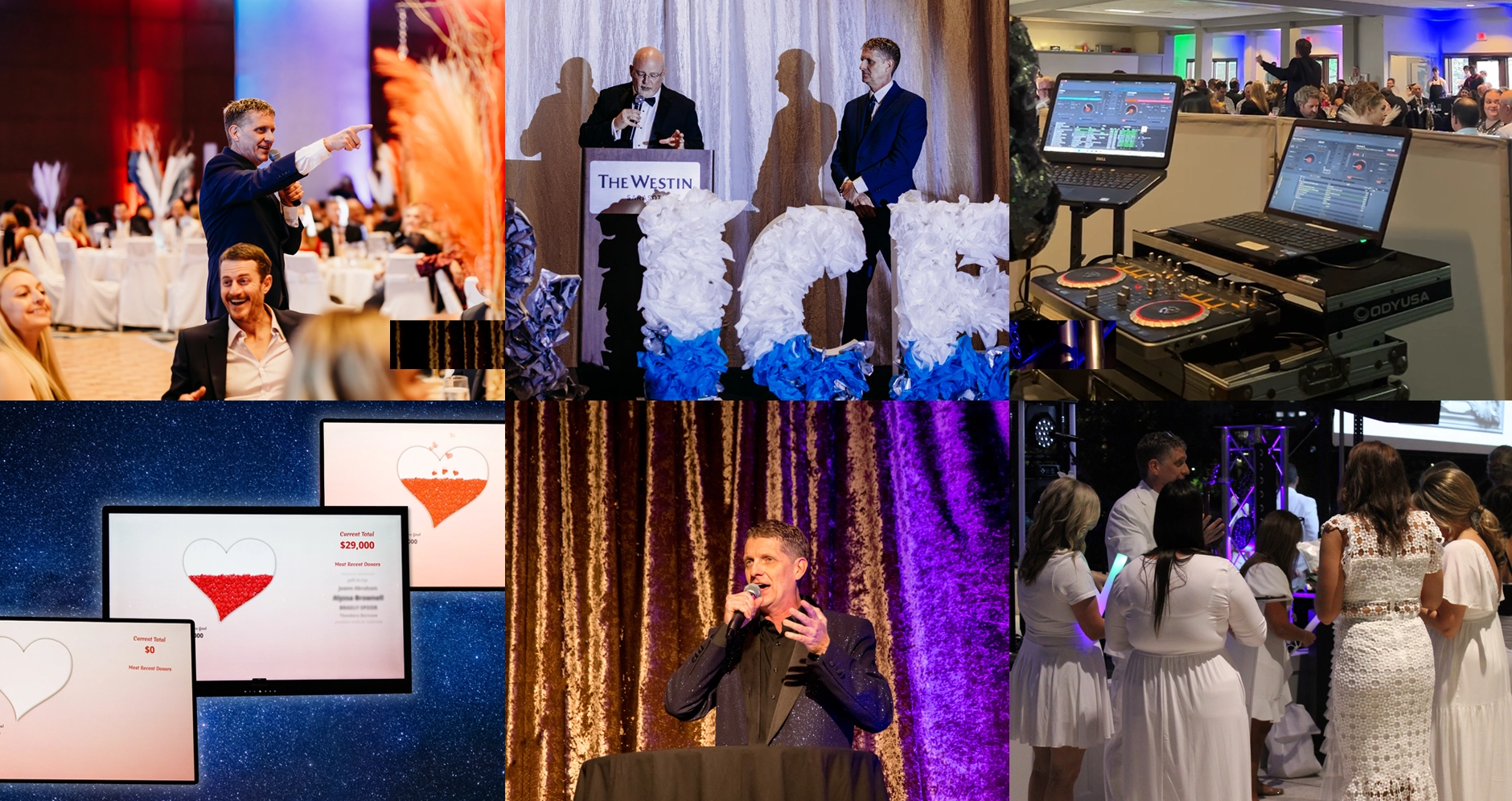
From the first guest welcome to the final paddle raise, each role contributes to the overall guest experience and the event’s fundraising performance. The event consultant helps shape the structure, the MC guides the flow, the auctioneer drives giving, and the DJ and A/V team help create the energy and atmosphere that support those moments.
When every team member understands not only their own responsibilities but also how their role supports the others, transitions feel effortless, messaging stays consistent, and guests remain engaged throughout the evening.
This level of coordination helps create an event that feels polished, intentional, and professionally executed — allowing your organization to focus on donor relationships, mission storytelling, and fundraising outcomes.
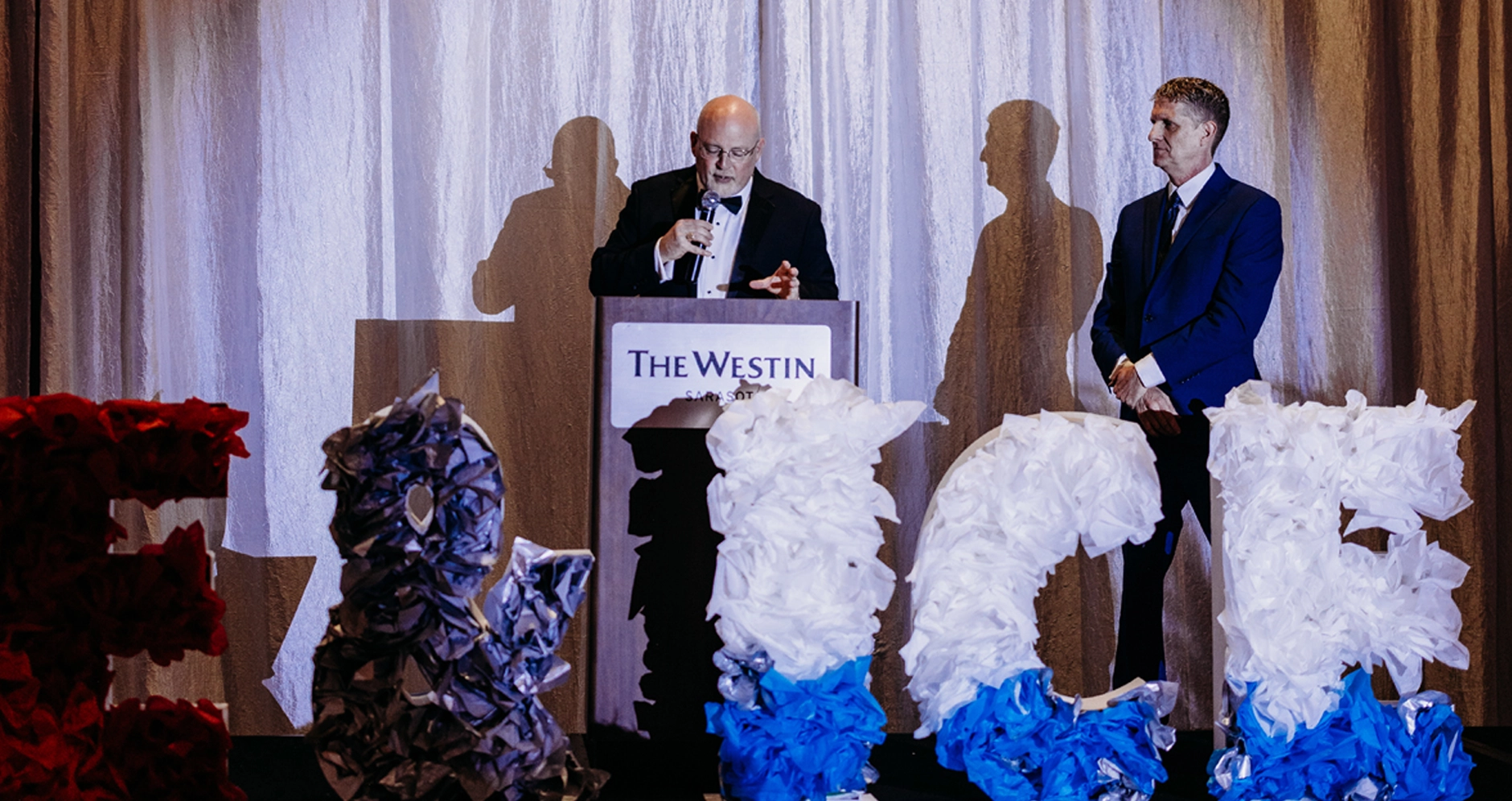
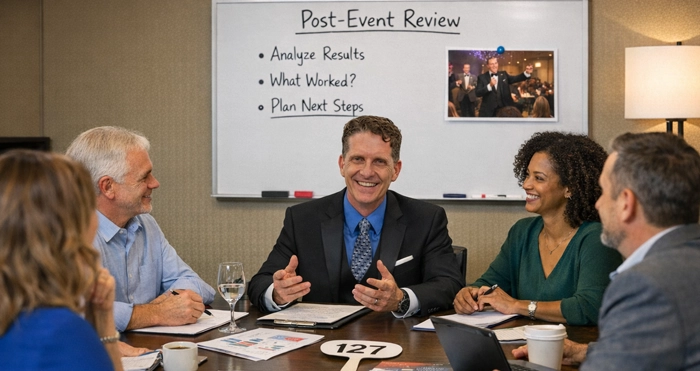
The event consultant or producer serves as the strategic foundation of the evening. This role helps bring all of the moving parts together, ensuring the event is not only well-organized, but intentionally designed to support your fundraising goals from start to finish.
The event consultant or producer oversees the entire event from concept to execution. They help shape the event structure, build a realistic timeline, coordinate vendors, and align every detail with your fundraising goals. This person often leads run-of-show planning, rehearsals, and day-of execution, serving as the main point of contact for everyone involved.
Fundraising events involve many moving pieces, and without someone managing the big picture, the flow of the event can adversely affect the level of engagement and the amount of funds being raised. An event consultant anticipates problems before they happen, ensures smooth transitions, and allows your staff and committee to stay focused on donor relationships instead of logistics. Their guidance often results in stronger messaging, better pacing, and higher revenue.
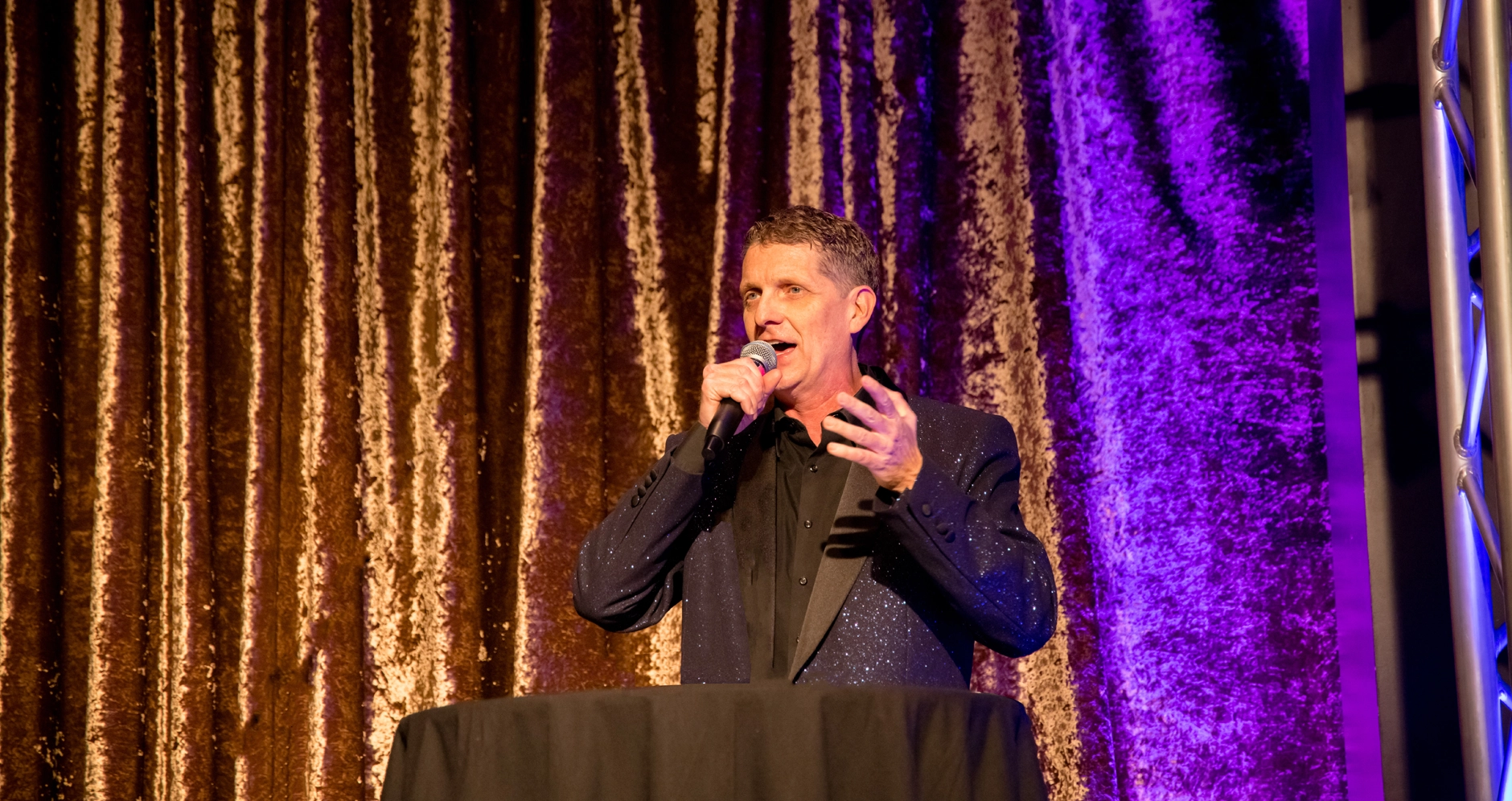
The MC is the voice that carries your guests through the evening. They help create structure, maintain momentum, and ensure attendees always understand what is happening and why it matters.
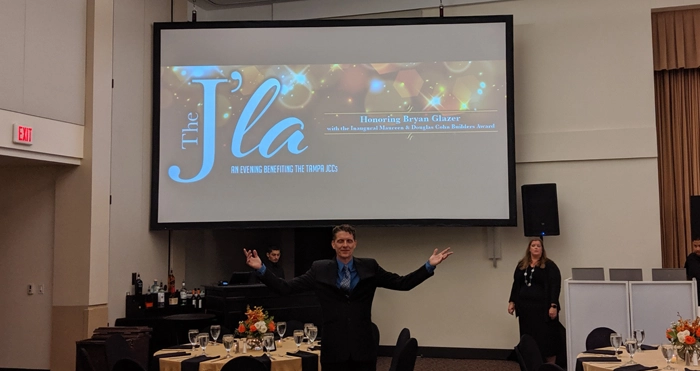
The MC guides guests through the evening. They welcome attendees, explain what is happening and why, introduce speakers, cue videos, and keep the program on schedule. A strong MC understands the tone of your event and balances warmth, professionalism, and energy.
Guests rely on your MC to understand and be guided through the flow of the event. When this role is done well, the evening feels organized and engaging rather than rushed or confusing. The MC also reinforces your mission and helps guests understand how their participation supports your cause.
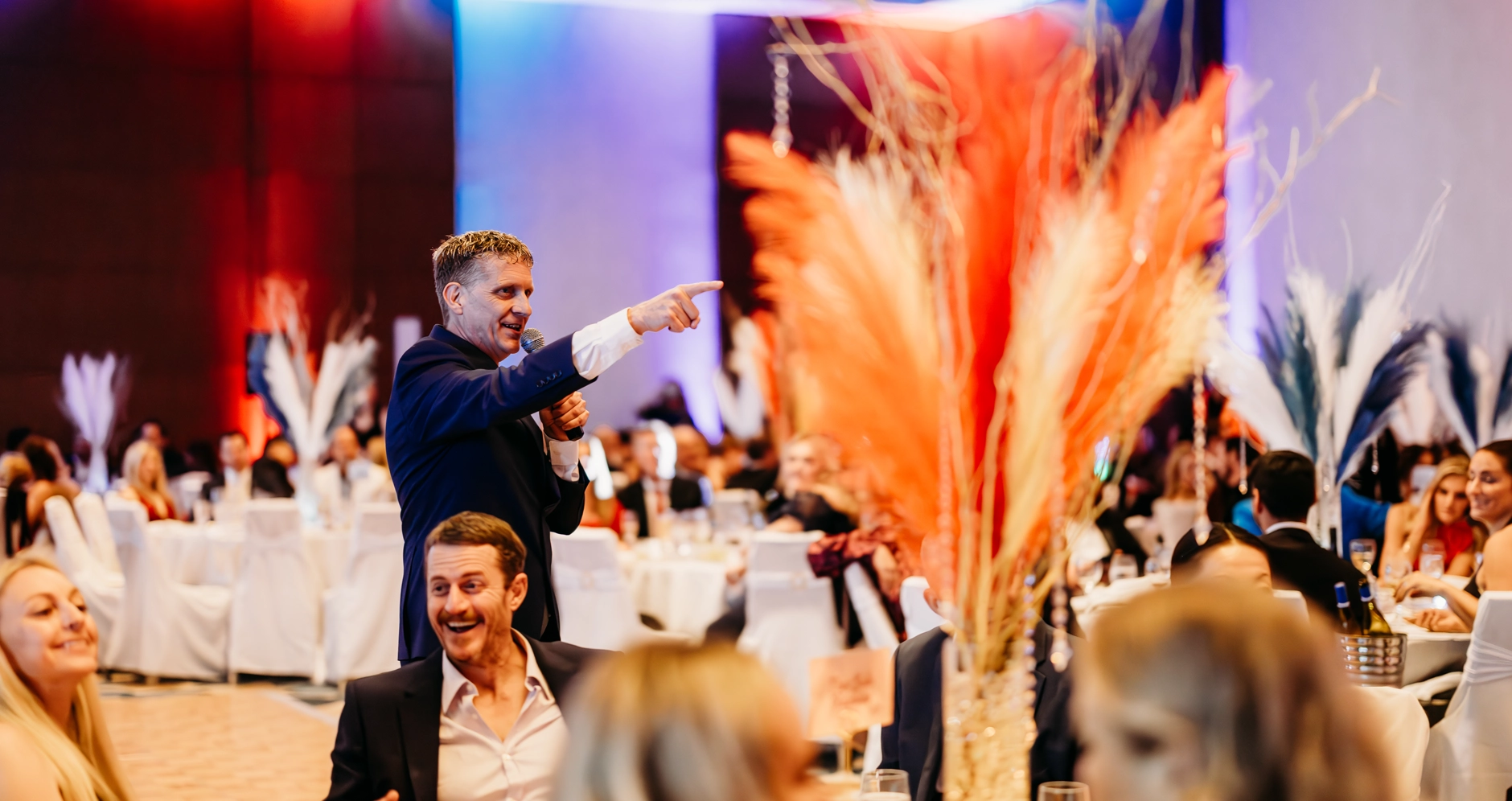
The licensed auctioneer is often one of the most influential roles of the night, especially during your most important fundraising moments. Their ability to energize the room and encourage giving can directly impact your event’s financial success.
A licensed auctioneer runs the live auction portion of your event. They present auction items, encourage competitive bidding, manage pacing, and keep the audience engaged. Experienced auctioneers understand donor behavior and know how to inspire and celebrate generosity.
Your live auction is one of the most powerful fundraising moments of the night. An interactive and motivational licensed auctioneer brings credibility, professionalism, and energy to the room. They inspire people to want to give, and that giving becomes contagious. A live auctioneer’s expertise will significantly increase the amount raised during your auction.
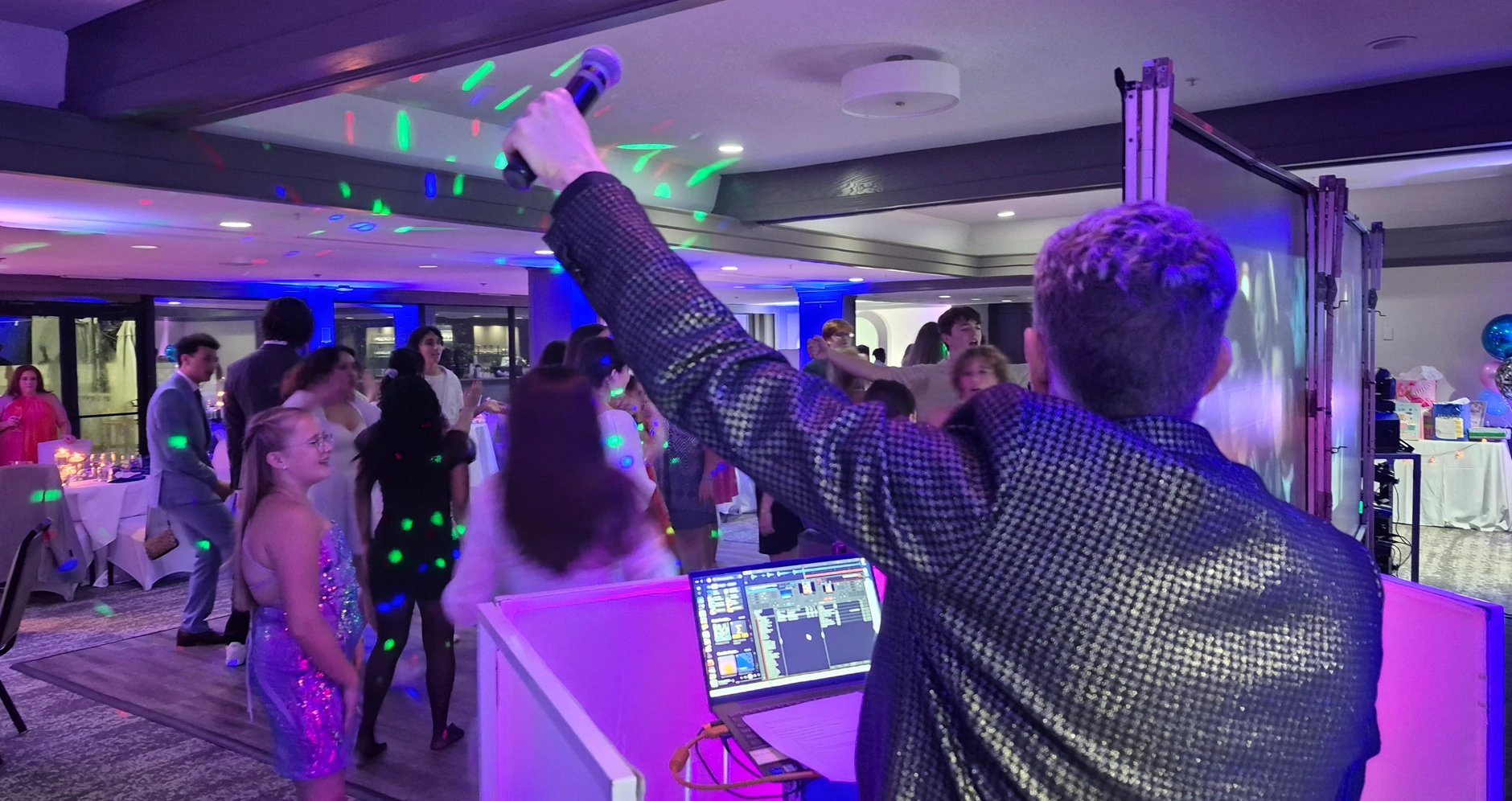
Music plays a powerful role in shaping the atmosphere of a fundraising event. From guest arrival to the final celebration, the DJ helps create the emotional rhythm of the evening.
The DJ manages all music throughout the event, including cocktail hour, dinner, program transitions, and dancing. They coordinate closely with all members of your fundraising team to ensure music cues are timed correctly and the volume matches the moment.
Music shapes the emotional experience of your event. The right DJ creates a welcoming atmosphere, builds excitement during key moments, and keeps guests energized throughout the evening. A professional DJ understands how to support your program without overpowering it, which is critical during speeches and fundraising appeals.
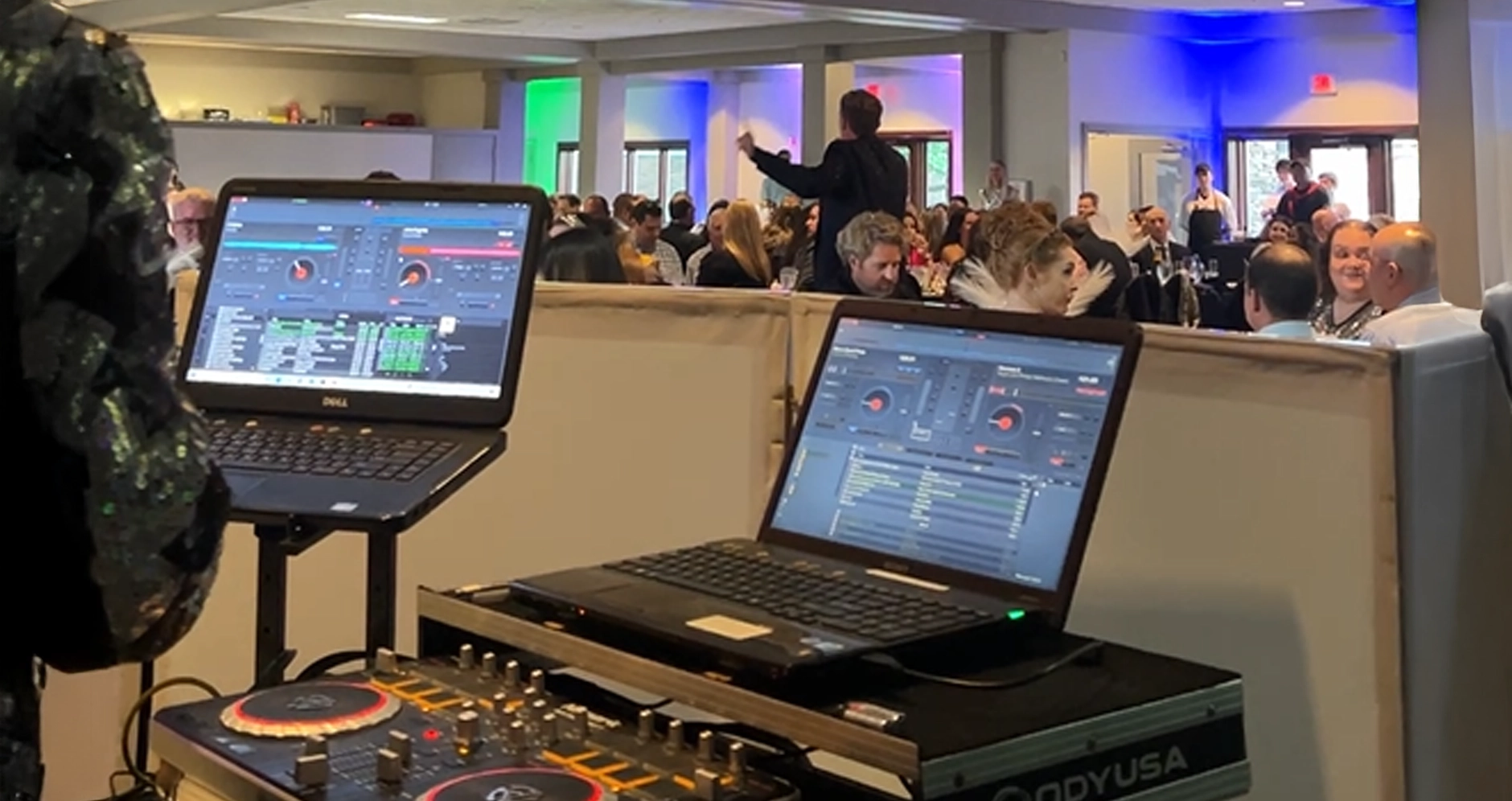
Behind every polished and professional event experience is a strong technical team. The A/V and lighting team helps ensure that every message, visual, and emotional moment reaches your guests clearly and effectively.
The audio/visual and lighting team handles microphones, speakers, screens, projectors, videos, and lighting design. They ensure sound, video, and lighting run perfectly throughout the event.
Technical issues can derail even the most thoughtfully planned event. Poor sound, dim lighting, or malfunctioning screens distract guests and diminish the impact of your message. A professional A/V team ensures your storytelling moments land as intended and your event looks and sounds polished from start to finish.
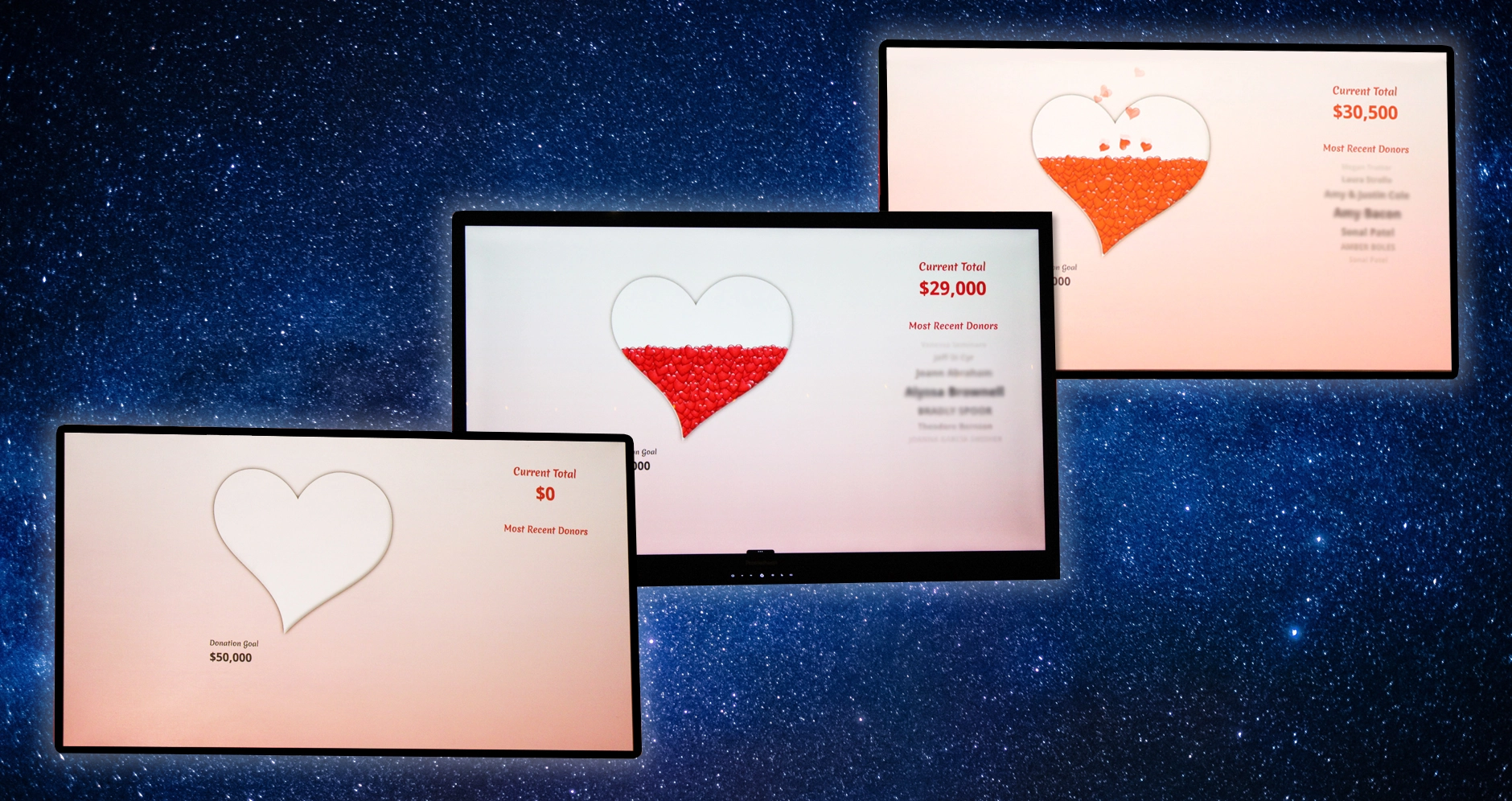
While much of the event happens in front of your guests, some of the most important work happens behind the scenes. Fundraising support staff help ensure every donation moment is seamless and stress-free.
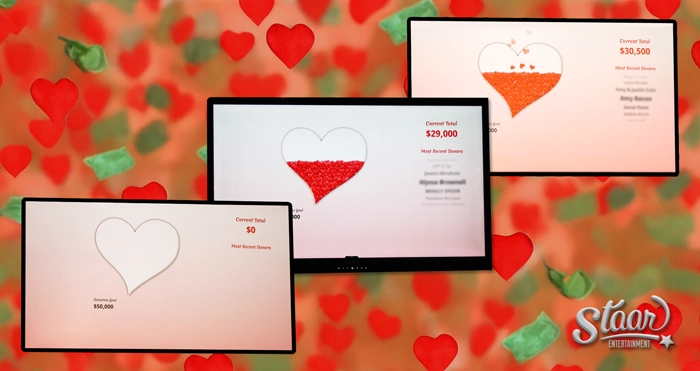
This team supports all fundraising operations, including mobile bidding platforms, checkout processes, and donor assistance. They work behind the scenes to track bids, resolve issues, and help guests complete transactions smoothly.
Efficient fundraising support reduces confusion, speeds up check-in/checkout, and creates a positive donor experience. This team also ensures accuracy, which protects donor trust and your organization’s reputation.
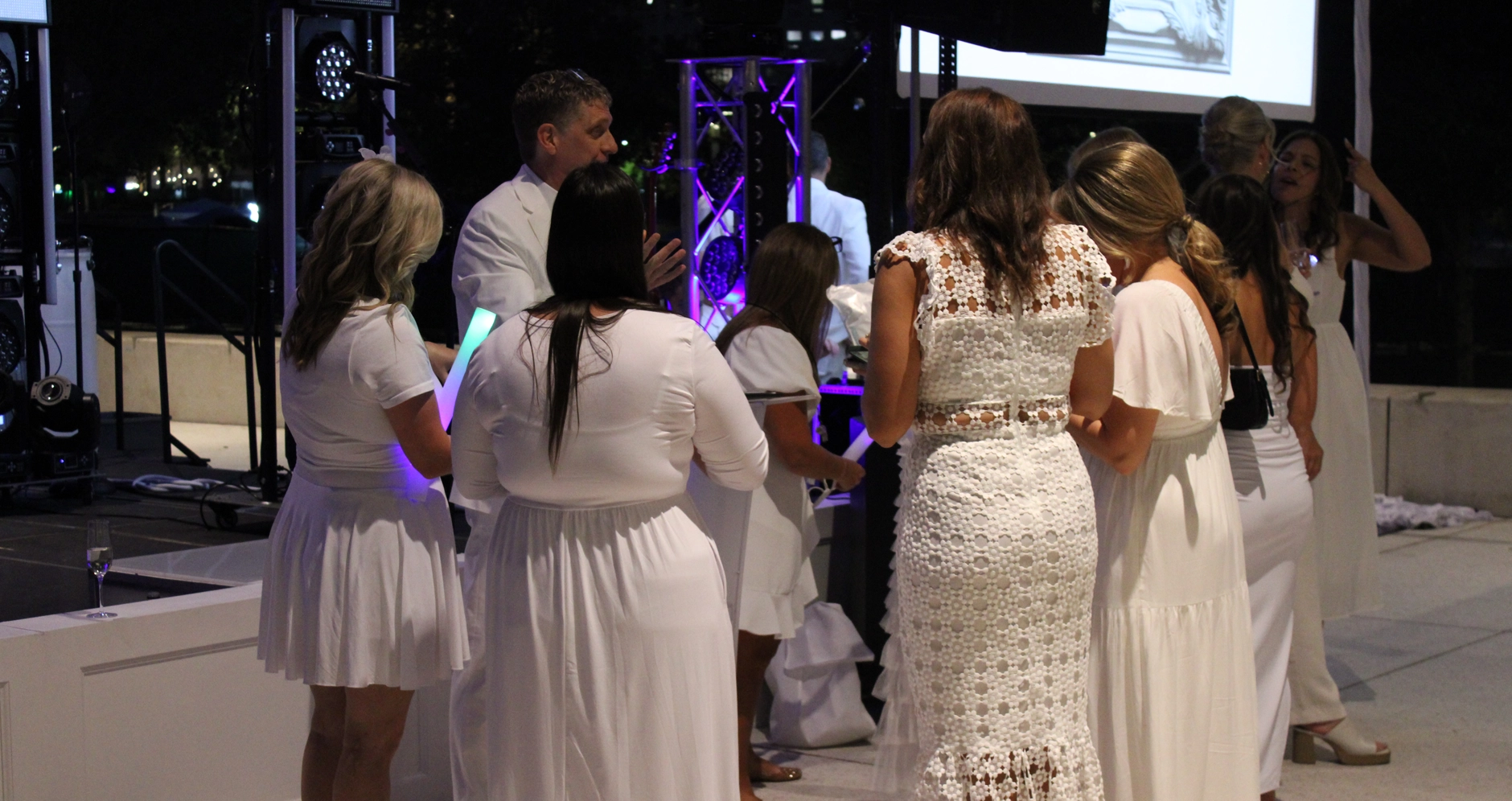
Volunteers and committee members are often the heart of the guest experience. Their presence helps create a welcoming and mission-driven atmosphere from the moment attendees arrive.
Volunteers and committee members assist with guest check-in, seating, bid spotters, directions, raffle sales, and general guest support. They often serve as ambassadors for your organization, answering questions and welcoming attendees.
These individuals are often the first and last point of contact for guests. Friendly, well-prepared volunteers set the tone for the entire evening. When volunteers understand the event flow and mission, they help guests feel comfortable and connected to the cause.
One of the most common challenges in fundraising events is role overlap or confusion. When responsibilities are not clearly defined, important details can be missed, transitions can feel disjointed, and staff or volunteers may unintentionally duplicate efforts. Even small moments of uncertainty can affect the guest experience and interrupt the momentum that is so important during a fundraising event.
Clear role definition helps every member of the team understand not only what they are responsible for, but also how their work supports the overall success of the evening. When each person knows where they fit within the event flow, communication becomes more efficient, decision-making is faster, and the team is better prepared to adapt when unexpected situations arise.
Role clarity also helps protect the fundraising strategy itself. For example, when the MC, auctioneer, DJ, and A/V team are aligned on timing and transitions, key moments such as mission appeals, live auction bidding, and sponsor recognition can land with the right energy and impact. These moments often have a direct influence on donor engagement and giving levels.
Beyond logistics, clearly defined roles create confidence for everyone involved. Staff members can focus on donor relationships, volunteers can support guests more effectively, and leadership teams can remain focused on the mission rather than troubleshooting avoidable issues.
When every person understands their role and how it contributes to the larger goal, the entire event feels more polished, intentional, and professionally executed — creating a stronger experience for guests and stronger results for your organization.
A smooth fundraising event is the result of thoughtful planning, experienced professionals, and clearly defined roles working in harmony. Investing in the right people improves logistics, enhances the guest experience, and increases fundraising results.
When your team is set up for success, the focus stays where it belongs: on connecting people to your cause and inspiring generosity. More importantly, each role contributes to creating an experience that feels seamless for your guests and strategic for your organization. From the first welcome at check-in to the final paddle raise, every moment is shaped by the people behind the scenes who ensure the event flows with purpose and professionalism.
When those roles are clearly defined and aligned around your fundraising goals, your event becomes more than a well-run evening. It becomes an intentional experience designed to engage donors, strengthen relationships, and support long-term mission growth. The most successful fundraising events are rarely the result of one standout moment alone. They are built through collaboration, communication, and a team that understands how every detail contributes to the larger outcome.
With the right professionals, strong coordination, and clear role clarity, your event is positioned not only to run smoothly, but to leave a lasting impression that inspires continued support long after the evening ends.
.png)